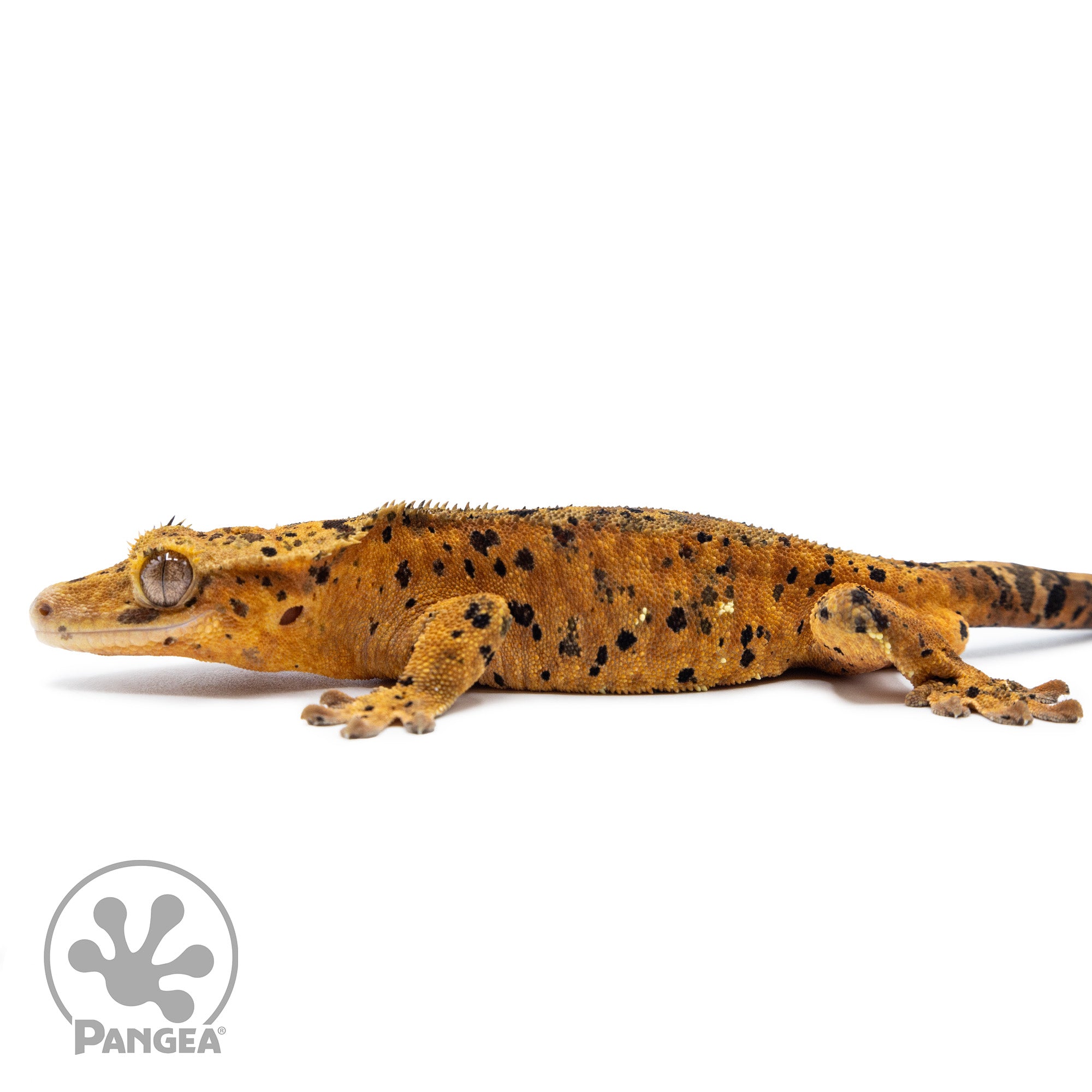
Your Crested Gecko Care Guide
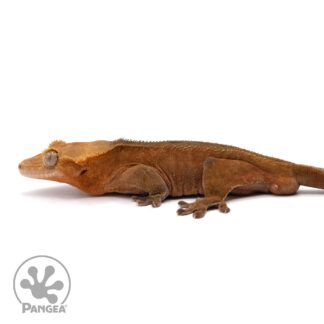
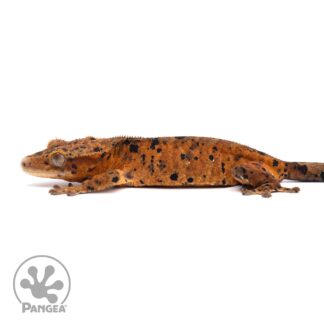
You’ve just brought home your first crested gecko, a beautiful harlequin with a splash of orange. It’s perched on a leaf in its new enclosure, and you’re wondering if the 74°F reading on your thermometer is okay, or if the Pangea mix you made is the right consistency. Getting the fundamentals right from day one makes all the difference for your gecko’s long-term health and happiness.
Setting Up the Perfect Habitat
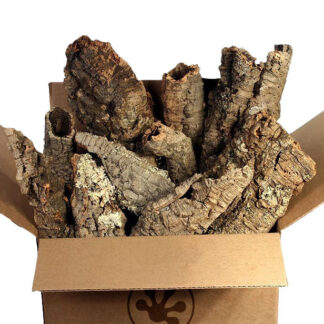
An adult crested gecko needs a minimum of an 18x18x24 inch tall enclosure, but I always recommend going bigger if you can—a 24x18x24 or larger allows for fantastic bioactive planting and more climbing space. Screen-top terrariums are great for ventilation, but in drier climates, you might lose humidity too fast; a glass terrarium with a mesh top offers a better balance. The key is vertical space. Use a dense network of branches, vines, and cork bark tubes. I use a mix of Zoo Med’s Natural Cork Rounds and Fluker’s bendable vines to create highways from the bottom to the top. For substrate, a simple mix of coconut fiber and sphagnum moss works well, or go bioactive with a drainage layer, substrate barrier, and ABG mix. Maintain temperatures between 72-78°F; anything over 80°F can cause stress. A low-wattage ceramic heat emitter on a thermostat is safer than heat mats or lamps, which can overheat these canopy dwellers.
Diet & Nutrition: More Than Just Powder
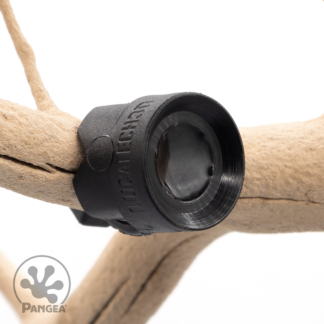
Crested geckos thrive on a complete powdered diet like Repashy or Pangea. Mix it to a ketchup-like consistency and offer it in a shallow dish every other night. I keep a rotation of Pangea’s flavors—the Fig & Insects and Watermelon formulas are usually big hits. For adults, you can offer live insects like small crickets or dubia roaches once a week as a supplement. Always dust insects with a calcium supplement. The biggest mistake I see is mixing the powder too thin or leaving it in the enclosure for more than 48 hours, as it can ferment. A tip from our Geckomorphs community: use bottle caps or very small ceramic dishes as food ledges to keep the main enclosure cleaner. Fresh, chlorine-free water should always be available in a shallow dish and via daily misting, which also bumps humidity up to that crucial 60-80% range for shedding.
Handling & Building Trust
Crested geckos can become quite tame, but they are not naturally “handle-me” pets. Start slow. For the first week, just let them settle in. Then, begin by placing your hand flat in the enclosure near them without making contact. After a few days, gently scoop them from below, letting them walk onto your hand. Never grab from above or by the tail—they can drop their tails (they won’t regrow). Keep initial sessions to 5-10 minutes, a few times a week. Handle them over a soft surface like a bed or couch in case they jump. A nervous gecko may bark or jump; if this happens, calmly return them to their home. Consistency and patience are everything. We’ve found geckos from our Geckomorphs collection, which are bred for health and temperament, often settle into handling routines beautifully with this approach.
Common Health Issues to Watch For
Most health problems are preventable with proper care. The most common issue is Metabolic Bone Disease (MBD) from lack of calcium. Signs include a wobbly gait, rubbery jaw, or kinks in the tail. This is why using a complete diet with proper calcium is non-negotiable. Stuck shed, particularly on the toes, is another red flag. If you see retained shed, provide a humid hide packed with damp sphagnum moss. Low appetite can be due to stress, incorrect temperatures, or simply because they’re about to shed. Weight loss is a major concern; I recommend a monthly weigh-in with a digital gram scale. A healthy adult should generally be between 35-55 grams. If you notice persistent lethargy, sunken eyes, or a protruding spine, it’s time for a vet visit with a reptile specialist.
What size tank does a baby crested gecko need?
Start a hatchling in a smaller, well-ventilated enclosure like a 12x12x18 inch terrarium. Too much space can make it hard for them to find food and feel secure. You can upgrade to their adult-sized enclosure (18x18x24 minimum) once they hit about 15-20 grams, usually around 9-12 months old.
Why won’t my crested gecko eat?
First, check your temperatures—if it’s below 70°F or above 80°F, their metabolism slows. Second, try a different flavor of complete diet; Pangea’s “Growth & Breeding” or “Apricot” formulas are often irresistible. Third, they may be going into a shed, which commonly causes a 1-2 day fasting period. If weight loss accompanies the lack of eating, consult a vet.
Do crested geckos need UVB lighting?
While they can survive without it by utilizing the D3 in their complete diets, providing a low-output UVB light, like a Zoo Med Reptisun 5.0 or Arcadia ShadeDweller, is a significant health benefit. It aids in calcium metabolism and supports natural behaviors. Ensure the light is on a 12-hour timer and that your gecko has plenty of shaded areas to retreat from it.
Ready to find your perfect gecko or upgrade your habitat? Browse our crested geckos collection to see our available juveniles and adults, hand-selected for health and vibrant morphs.
Last updated: April 13, 2026
nn