Posted on Leave a comment

Are Crested Geckos Expensive Pets?

Are Crested Geckos Expensive Pets?

Are Crested Geckos Expensive Pets?

You’ve seen the photos of stunning, flame-patterned geckos online selling for over $1,000, and the simple, beautiful pet-quality ones for $50. This massive price range makes the initial question tricky. The real answer isn’t just about the lizard’s price tag; it’s about understanding the full, long-term investment in habitat, food, and care that truly defines the cost of owning a crested gecko.

The Initial Purchase: From $50 to $5,000+

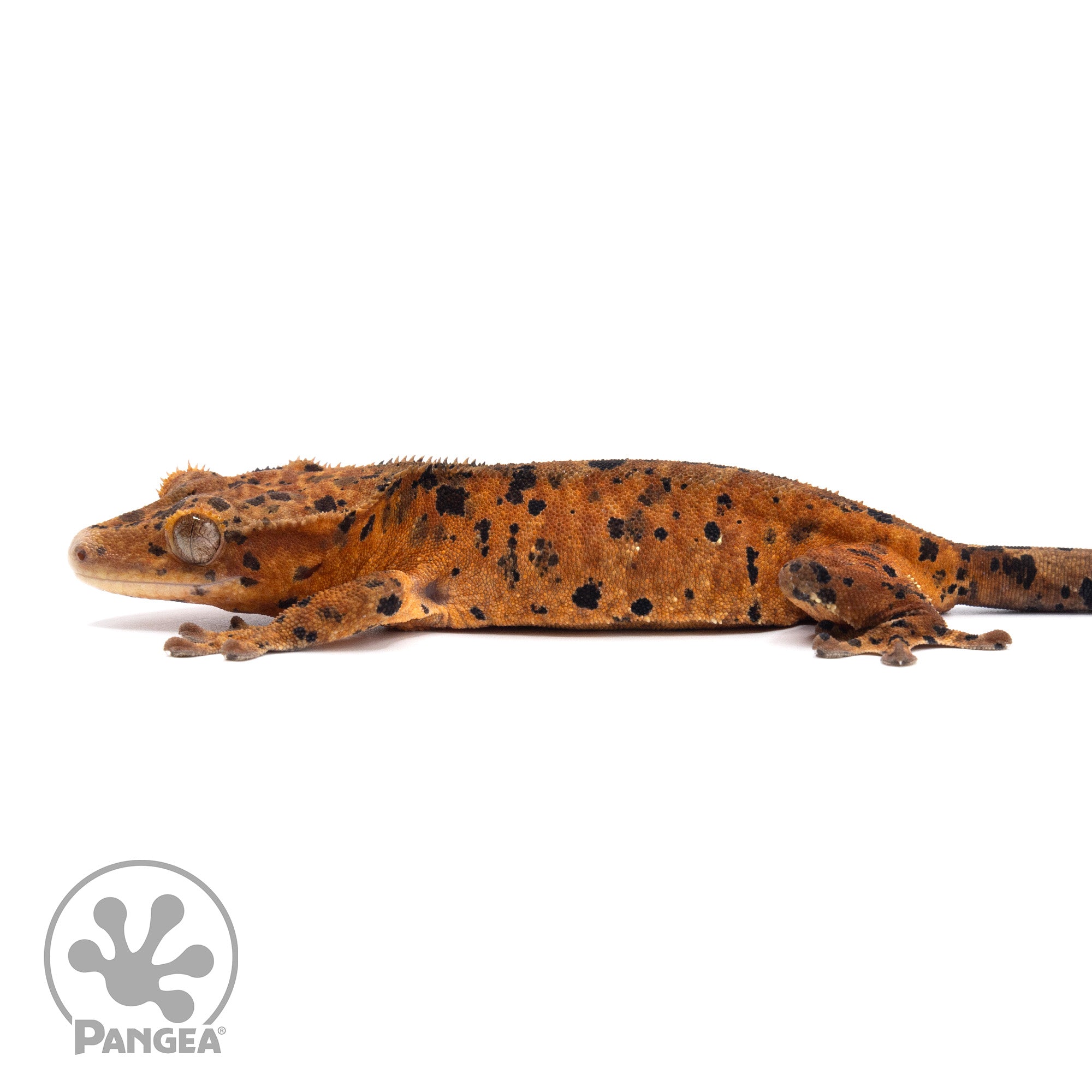
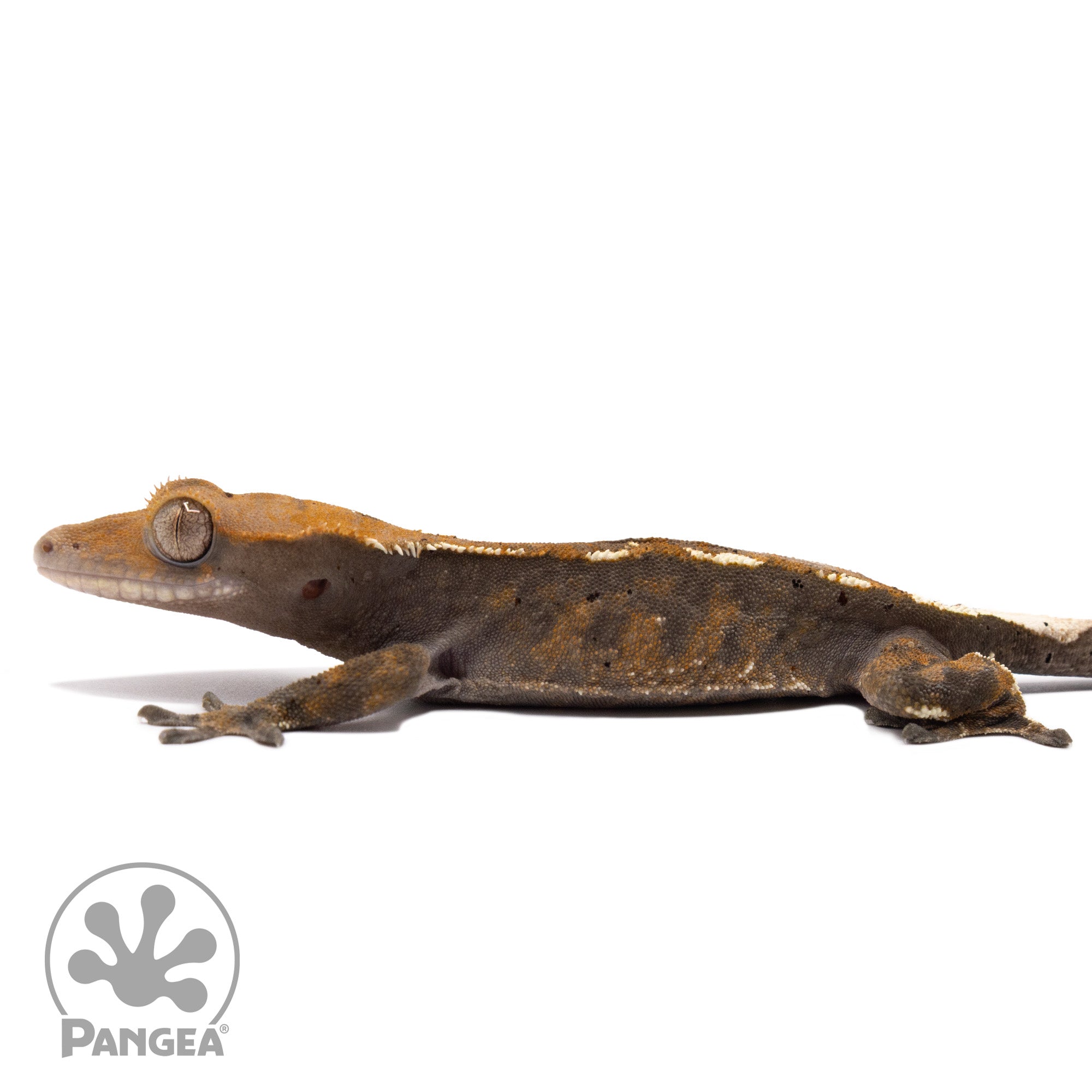
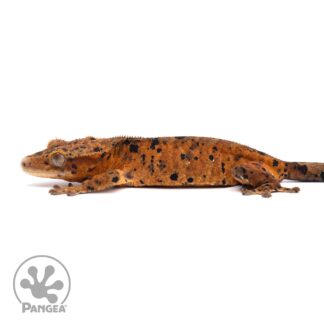
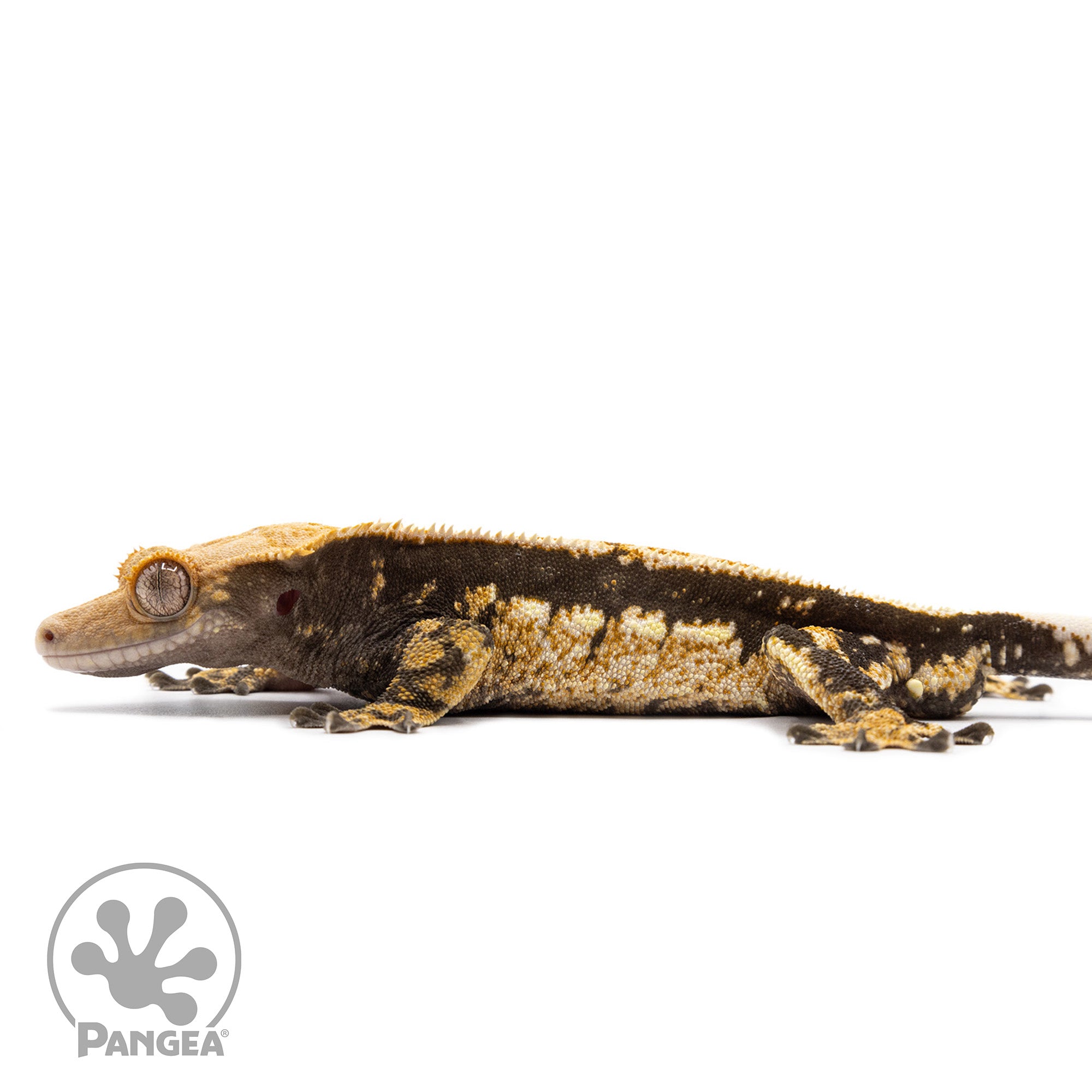
The gecko itself is your first cost, and it’s the most variable. A standard, healthy “pet-only” crested gecko from a reputable breeder typically runs between $50 and $150. These are often beautiful, robust animals with common patterns. The price climbs steeply with genetics and rarity. A gecko with a unique morph like a Lilly White, extreme harlequin pattern, or high-expression pinstripe can easily cost $300 to $800. True show-stoppers from proven breeding lines, especially for specific traits like full pinstripes or phantom patterning, can reach $1,500 to $5,000 or more. Always buy from a trusted breeder; a cheap gecko from a pet store often comes with hidden health costs. We source all our geckos at Geckomorphs from dedicated breeders to ensure health and genetic clarity.

The Setup: A One-Time Investment of $200-$500

Before your gecko comes home, you need a proper enclosure. For a single adult, a tall 18″x18″x24″ terrarium is the minimum. A good quality front-opening model like the Zoo Med Naturalistic Terrarium or Exo Terra Large Tall will cost $150-$250 new. You can’t skip on essentials: a reliable heating source (like a low-wattage ceramic heat emitter for $25), a thermostat to control it ($40), a digital hygrometer/thermometer ($20), and proper lighting. While crested geckos don’t require UVB, providing a low-output UVB light like the Arcadia ShadeDweller ProT5 kit ($65) is a best practice for long-term health. Then comes décor: substrate, branches, vines, and at least two good hiding spots. Budget another $100-$150 for these items to create a secure, enriching environment.

A fully planted crested gecko terrarium with branches and hiding spots

A proper setup is a significant upfront cost but lasts for years.

Ongoing Monthly Costs: $20-$40

Once set up, monthly maintenance is relatively low. The biggest recurring cost is food. A high-quality powdered diet like Pangea or Repashy is the staple, costing about $15 for a bag that lasts 2-3 months for one gecko. You’ll also want to offer live insects like crickets or dubia roaches as weekly treats, adding roughly $5-$10 per month. Substrate may need periodic replacement, and you’ll use electricity for heating and lighting. All told, expect to spend around $20 to $40 per month on consumables and utilities. This is far less than the ongoing cost for many mammals, but it’s a consistent commitment.

Veterinary Care: The Critical Budget Buffer

This is the most overlooked and potentially largest cost. Crested geckos are generally hardy, but they can get sick. A basic wellness check at an exotic vet can cost $75-$150. If your gecko develops a problem like a prolapse, metabolic bone disease from poor diet, or a stubborn infection, diagnostics and treatment can quickly run into the hundreds of dollars. I always advise new owners to have a vet fund of at least $200-$300 set aside. Investing in a proper setup and quality food from the start, like the complete kits we offer at Geckomorphs, is your best insurance against these unexpected bills.

Total Cost of Ownership: The 5-Year View

Let’s do the math for a mid-range scenario. You buy a nice $150 gecko and invest $350 in a full, quality setup. Over five years, you’ll spend about $30/month ($1,800) on food and upkeep. Adding a $300 vet buffer, your total five-year investment is roughly $2,600, or about $43 per month averaged out. The first year is the most expensive due to the setup, but the cost drops significantly afterward. Compared to a dog or cat, which can cost $500-$1,000+ per year, crested geckos are a very affordable pet long-term, provided you make the proper initial investment.

A close-up of a healthy, patterned crested gecko on a branch

Your initial gecko purchase is just the beginning. Browse our crested geckos collection to see animals from trusted breeders.

FAQ: Crested Gecko Costs

Why are crested geckos so expensive?

High prices are driven by rare genetics, selective breeding projects, and the breeder’s investment. Producing a gecko with a stable, desirable morph like a Lilly White or extreme harlequin can take years of careful pairings. The price reflects the time, expertise, and quality of the parents’ bloodlines.

Why are female crested geckos more expensive?

Females are more valuable to breeders because they produce eggs. A proven breeding female with desirable traits is a direct revenue-generating asset, which increases her price. For pet owners, there’s little cost difference; females just have the biological potential to lay infertile eggs.

How much do crested geckos cost?

Pet-quality crested geckos cost $50-$150. Geckos with desirable morphs and patterns range from $150 to $800. Exceptional, high-end show or breeding animals from top lineages can cost from $1,000 to over $5,000. Always factor in $200-$500 for the proper enclosure and supplies.

Browse our crested geckos collection

Last updated: April 13, 2026

nn
Posted on Leave a comment

Crested Gecko Care & Review

Crested Gecko Care & Review

Crested Gecko Care & Review

I remember the first time I saw a crested gecko at a reptile show; its eyelashes, prehensile tail, and curious expression were unlike any other reptile. Over a decade later, after raising dozens from hatchlings, I can confirm they are one of the best pet lizards you can own. This review covers everything I’ve learned from hands-on experience about their care, temperament, and why they’ve earned their popularity.

Temperament & Handling: The Ideal Pet Lizard?

Crested geckos are famously docile. Most individuals, especially those bred in captivity like the ones we source at Geckomorphs, are calm and tolerate gentle handling well. They’re not “cuddly,” but they will calmly walk from hand to hand. Hatchlings can be jumpy—it’s a survival instinct—but they almost always calm down with age and consistent, brief handling sessions. I recommend handling them 2-3 times a week for 10-15 minutes, always over a soft surface. Their feet have tiny setae that allow them to climb glass and skin, which is a unique sensation. Avoid grabbing them by the tail, as they can drop it (caudal autotomy). Unlike some geckos, it won’t grow back, but they live perfectly healthy lives as “frogbutts.”

Housing & Setup: Getting the Enclosure Right

For a single adult, a vertically oriented 18″x18″x24″ enclosure is the gold standard. Hatchlings can start in a 12″x12″x18″ but will need an upgrade within a year. Screen tops are essential for ventilation to prevent respiratory issues. The interior is more important than the tank itself. You need a bioactive-ready substrate like our Geckomorphs Jungle Mix, plenty of vertical climbing branches, and a dense layout of foliage (live or artificial) to make them feel secure. I use a combination of cork rounds, magnetic ledges, and dangling vines. They are arboreal and will spend 90% of their time off the ground. A simple, low-wattage LED plant light on a 12-hour timer works for the day/night cycle; they do not require intense heat or UVB if their diet is supplemented properly, though low-level UVB is a beneficial practice.

A complete bioactive crested gecko terrarium with plants, branches, and a feeding ledge

Diet & Feeding: Simpler Than You Think

This is where crested geckos truly shine. Their primary diet is a complete, powdered meal replacement diet (MRP) like Repashy Crested Gecko Diet or Pangea Fruit Mix. You mix it with water to a ketchup-like consistency and offer it every other day in a shallow dish placed on a ledge. I prefer the Pangea formulas with insects for growing geckos. Offer small, gut-loaded insects like crickets or dubia roaches once a week as a treat for adults, and twice a week for juveniles. Dust insects with a calcium supplement. Fresh water in a shallow dish should always be available, and they’ll also drink water droplets from nightly misting. At Geckomorphs, we send home a care package with a sample of our preferred MRP to get new owners started right.

Common Health & Shedding Issues

With proper care, crested geckos are remarkably hardy. The most common issues stem from environment: low humidity leading to stuck shed, and incorrect temperatures. Maintain a humidity spike of 80% at night (via misting) letting it drop to 50% during the day. Stuck shed, especially on the toes, is a red flag; increase humidity and provide a rough surface like cork bark. They thrive at room temperature, between 72-78°F. Sustained temperatures above 82°F can cause fatal heat stress. Metabolic Bone Disease (MBD) is preventable by using a complete MRP diet. Floppy tail syndrome, where they rest upside-down, can be mitigated by providing ample horizontal perches. A yearly check-up with a reptile vet is a good practice.

Are crested geckos good for beginners?

Absolutely. They are one of the top three recommended beginner reptiles, alongside leopard geckos and corn snakes. Their simple dietary needs, manageable size, and general hardiness make them an excellent first pet lizard. The initial setup cost is the biggest investment.

Do crested geckos need a heat lamp?

Usually, no. If your home is consistently between 70-78°F, supplemental heat is unnecessary and can be dangerous. If your room drops below 65°F, a low-wattage ceramic heat emitter or deep heat projector on a thermostat, placed on the screen top, can be used to raise the ambient temperature a few degrees.

How long do crested geckos live?

With proper care, a crested gecko can live 15-20 years in captivity. This is a long-term commitment. We’ve had customers whose geckomorphs are still thriving well into their late teens on the same basic care regimen outlined here.

Browse our crested geckos collection

Last updated: April 13, 2026

nn

Posted on Leave a comment

Your Crested Gecko Care Guide

Your Crested Gecko Care Guide

Your Crested Gecko Care Guide

You’ve just brought home your first crested gecko, a beautiful harlequin with a splash of orange. It’s perched on a leaf in its new enclosure, and you’re wondering if the 74°F reading on your thermometer is okay, or if the Pangea mix you made is the right consistency. Getting the fundamentals right from day one makes all the difference for your gecko’s long-term health and happiness.

Setting Up the Perfect Habitat

An adult crested gecko needs a minimum of an 18x18x24 inch tall enclosure, but I always recommend going bigger if you can—a 24x18x24 or larger allows for fantastic bioactive planting and more climbing space. Screen-top terrariums are great for ventilation, but in drier climates, you might lose humidity too fast; a glass terrarium with a mesh top offers a better balance. The key is vertical space. Use a dense network of branches, vines, and cork bark tubes. I use a mix of Zoo Med’s Natural Cork Rounds and Fluker’s bendable vines to create highways from the bottom to the top. For substrate, a simple mix of coconut fiber and sphagnum moss works well, or go bioactive with a drainage layer, substrate barrier, and ABG mix. Maintain temperatures between 72-78°F; anything over 80°F can cause stress. A low-wattage ceramic heat emitter on a thermostat is safer than heat mats or lamps, which can overheat these canopy dwellers.

Diet & Nutrition: More Than Just Powder

Crested geckos thrive on a complete powdered diet like Repashy or Pangea. Mix it to a ketchup-like consistency and offer it in a shallow dish every other night. I keep a rotation of Pangea’s flavors—the Fig & Insects and Watermelon formulas are usually big hits. For adults, you can offer live insects like small crickets or dubia roaches once a week as a supplement. Always dust insects with a calcium supplement. The biggest mistake I see is mixing the powder too thin or leaving it in the enclosure for more than 48 hours, as it can ferment. A tip from our Geckomorphs community: use bottle caps or very small ceramic dishes as food ledges to keep the main enclosure cleaner. Fresh, chlorine-free water should always be available in a shallow dish and via daily misting, which also bumps humidity up to that crucial 60-80% range for shedding.

Handling & Building Trust

Crested geckos can become quite tame, but they are not naturally “handle-me” pets. Start slow. For the first week, just let them settle in. Then, begin by placing your hand flat in the enclosure near them without making contact. After a few days, gently scoop them from below, letting them walk onto your hand. Never grab from above or by the tail—they can drop their tails (they won’t regrow). Keep initial sessions to 5-10 minutes, a few times a week. Handle them over a soft surface like a bed or couch in case they jump. A nervous gecko may bark or jump; if this happens, calmly return them to their home. Consistency and patience are everything. We’ve found geckos from our Geckomorphs collection, which are bred for health and temperament, often settle into handling routines beautifully with this approach.

Common Health Issues to Watch For

Most health problems are preventable with proper care. The most common issue is Metabolic Bone Disease (MBD) from lack of calcium. Signs include a wobbly gait, rubbery jaw, or kinks in the tail. This is why using a complete diet with proper calcium is non-negotiable. Stuck shed, particularly on the toes, is another red flag. If you see retained shed, provide a humid hide packed with damp sphagnum moss. Low appetite can be due to stress, incorrect temperatures, or simply because they’re about to shed. Weight loss is a major concern; I recommend a monthly weigh-in with a digital gram scale. A healthy adult should generally be between 35-55 grams. If you notice persistent lethargy, sunken eyes, or a protruding spine, it’s time for a vet visit with a reptile specialist.

What size tank does a baby crested gecko need?

Start a hatchling in a smaller, well-ventilated enclosure like a 12x12x18 inch terrarium. Too much space can make it hard for them to find food and feel secure. You can upgrade to their adult-sized enclosure (18x18x24 minimum) once they hit about 15-20 grams, usually around 9-12 months old.

Why won’t my crested gecko eat?

First, check your temperatures—if it’s below 70°F or above 80°F, their metabolism slows. Second, try a different flavor of complete diet; Pangea’s “Growth & Breeding” or “Apricot” formulas are often irresistible. Third, they may be going into a shed, which commonly causes a 1-2 day fasting period. If weight loss accompanies the lack of eating, consult a vet.

Do crested geckos need UVB lighting?

While they can survive without it by utilizing the D3 in their complete diets, providing a low-output UVB light, like a Zoo Med Reptisun 5.0 or Arcadia ShadeDweller, is a significant health benefit. It aids in calcium metabolism and supports natural behaviors. Ensure the light is on a 12-hour timer and that your gecko has plenty of shaded areas to retreat from it.

Ready to find your perfect gecko or upgrade your habitat? Browse our crested geckos collection to see our available juveniles and adults, hand-selected for health and vibrant morphs.

Last updated: April 13, 2026

nn

Posted on Leave a comment

Crested Geckos: The Easy Pet Lizard?

Crested Geckos: The Easy Pet Lizard?

Crested Geckos: The Easy Pet Lizard?

You’re considering a pet lizard, but the thought of live insects, complex lighting, and high humidity has you hesitating. Then you hear about the crested gecko. I’ve kept and bred them for over a decade, and I can tell you their reputation for being beginner-friendly is largely true, but “easy” depends on your definition. Let’s break down exactly what their care entails.

Housing: Simple Setup, Big Impact

A single adult crested gecko needs a vertically-oriented enclosure at least 18x18x24 inches. Screen-top glass terrariums, like the popular Exo Terra 18x18x24, are perfect. The key is filling that vertical space. You don’t need expensive live plants to start; a simple setup with a feeding ledge, a couple of sturdy branches like those from Fluker’s, and plenty of foliage (fake or real) for hiding is sufficient. Substrate can be as easy as paper towel for juveniles or a bioactive mix like Josh’s Frogs ABG for adults. At Geckomorphs, we always recommend starting with a proper vertical tank—it’s the single most important purchase for their wellbeing.

Diet: The Powdered Food Revolution

This is where crested geckos truly shine in the “easy” category. While they can eat insects, their complete diet can be a prepared powdered food mixed with water. Brands like Repashy Crested Gecko Diet and Pangea Fruit Mix Complete are nutritionally complete. You simply mix a teaspoon of powder with water to a ketchup-like consistency, offer it in a small cup (like a Pangea Reptile Feeder) every other day, and replace it after 48 hours. It eliminates the hassle of gut-loading crickets or maintaining roach colonies. I personally rotate between Pangea’s “With Insects” formula and Repashy’s “Classic” to give my geckos variety.

Temperature & Humidity: No Heat Lamp Needed

Unlike many reptiles, crested geckos thrive at room temperature. Their ideal range is 72-78°F during the day, with a slight drop at night. They become stressed if temperatures consistently exceed 80°F. You rarely need a dedicated heat source unless your home is very cold; if you do, a low-wattage ceramic heat emitter on a thermostat is safer than a heat lamp. Humidity is more critical. You need to create a cycle: mist the enclosure heavily in the evening to spike humidity to 80%, letting it fall to 50% by morning. A simple hand mister works, but an automatic mister like the MistKing Starter system can automate this perfectly. This daily misting also provides their drinking water.

Handling & Temperament: Patience is Key

Crested geckos are generally docile, but they are not naturally cuddly pets. They are observational animals. Handling should be limited, calm, and close to the ground to prevent falls—they can and will jump. A skittish juvenile often mellows into a calm adult with short, regular handling sessions. Never grab them by the tail; it can detach (they don’t regrow it like other geckos). The ease here is their generally calm nature, but you must adjust your expectations. They’re pets you watch in a beautiful, naturalistic enclosure more than you hold for hours. For building trust, offering food from a spoon like the Zoo Med Repti Spoon can be a great start.

The Real Cost of “Easy”

Labeling them “easy” can undersell the commitment. The initial setup for a proper 18x18x24 tank, decor, thermostat, and mister can cost $300-$500. While their ongoing food costs are low ($20 for a bag of powder that lasts months), you are committing to a pet that can live 15-20 years. You must be diligent about daily misting and weekly cleaning. They also require annual vet check-ups with an exotic specialist. The “easy” part is the lack of complex heating and live feeding; the “responsibility” part is the long lifespan and need for consistent, simple care. It’s a perfect fit for a diligent beginner or anyone who wants a beautiful, low-maintenance display animal.

Frequently Asked Questions

Do crested geckos shed often?

Yes, juvenile crested geckos shed every 1-2 weeks as they grow rapidly. Adults shed less frequently, typically every 4-8 weeks. They eat their shed skin for the nutrients, so you often won’t see any evidence. Ensure humidity is adequate during sheds to prevent stuck skin, especially on their toes.

What did crested geckos evolve from?

Crested geckos (Correlophus ciliatus) are part of the Diplodactylidae family. They evolved from other New Caledonian geckos, like the gargoyle gecko (Rhacodactylus auriculatus), sharing a common ancestor. They were thought extinct until rediscovered in 1994 after a tropical storm.

What sound do crested geckos make?

Crested geckos can make soft chirping or barking sounds, usually when interacting with another gecko or if they are startled. They are not particularly vocal pets. You’re more likely to hear them moving around or scratching on glass at night than to hear consistent vocalizations.

Ready to start your crested gecko journey with the right gear? Browse our crested geckos collection for recommended enclosures, trusted diets, and essential care products.

Last updated: April 13, 2026

nn

Posted on Leave a comment

Are Crested Geckos Dangerous Pets?

Crested Geckos: The Perfect Beginner Pet?

Are Crested Geckos Dangerous Pets?

You’re holding your new crested gecko for the first time, and it suddenly leaps from your hand. Your immediate thought might be, “Is this little dinosaur going to hurt me?” The short answer is no, but understanding the reality behind their tiny claws and occasional skittishness is key to a safe relationship. As someone who’s handled hundreds, I can tell you the real “danger” is almost always to the gecko, not you.

Bites: Rare, Painless, and Usually Your Fault

Let’s address the biggest fear first: biting. In over a decade of breeding and handling, I’ve been bitten by a crested gecko exactly twice, and both times were entirely my fault—once while hand-feeding a particularly food-motivated adult, and another when I startled a juvenile. A crested gecko bite feels like a mild pinch or a bit of Velcro grabbing your skin. They have small, peg-like teeth designed for crushing soft fruit and insects, not for tearing flesh. They lack the jaw strength to break human skin in the vast majority of cases. If a bite does occur, it’s almost always a defensive reaction to being mishandled, mistaken for food, or feeling threatened. Proper, confident handling eliminates this non-issue. Keeping your hands clean of food smells is a simple preventative measure.

Scratches: More Annoying Than Dangerous

Those tiny claws are built for climbing glass and bark, not for combat. You might get light, superficial scratches—often called “gecko tracks”—if you handle a particularly active individual or one that’s trying to get a grip. These are no worse than a mild cat scratch from a kitten and heal quickly. For sensitive skin, simply wearing a long-sleeve shirt can prevent them. The claws pose a far greater risk to the gecko itself if its habitat isn’t right. Sharp decor or improper substrates can lead to snagged claws and injuries. That’s why I always recommend soft, naturalistic elements like the Magnetic Cork Bark Panels from Geckomorphs. They provide perfect climbing texture without the risk of abrasion for your pet’s delicate feet.

Salmonella: A Manageable Risk for All Reptiles

Any reptile, including crested geckos, can potentially carry Salmonella bacteria in their digestive tract. This is the most legitimate health consideration for keepers. The key word is “manageable.” The bacteria is shed in their feces, so the risk comes from cross-contamination, not from handling the animal itself. You become susceptible only if you touch feces or contaminated surfaces and then touch your mouth or food without washing your hands. This is easily prevented with basic hygiene: always wash your hands with soap and water after handling your gecko or anything in its enclosure. Don’t kiss your gecko, and never clean cage items in the kitchen sink. Using dedicated tools, like a dedicated spray bottle for misting, helps compartmentalize care. It’s a simple practice that makes the risk virtually zero.

The Real Danger: Stress to the Gecko

When we ask if they’re dangerous, we’re looking at it backwards. The true hazard in the relationship is the stress and injury we can inadvertently cause *them*. Crested geckos are prey animals. Loud noises, sudden movements, improper gripping (never grab the tail!), or excessive handling can cause them to drop their tail—a stressful, energy-depleting event for them. A more common danger is from an inadequate habitat. Incorrect temperatures, lack of humidity, or sharp furnishings are far more threatening than the gecko could ever be to you. Investing in a properly sized enclosure, reliable heating like a low-wattage heat pad for ambient warmth, and a accurate digital hygrometer are the best ways to protect your pet. Their well-being is entirely in your hands.

Safe Handling Builds a Better Bond

The best way to ensure a safe and positive experience is to learn proper handling techniques. Always approach your gecko slowly from the side, not from above (like a predator would). Let it walk onto your hand voluntarily. Support its body fully and handle it over a soft surface like a bed or couch in case it jumps. Short, frequent sessions are better than long, stressful ones. A calm gecko is a safe gecko to handle. Having the right tools on hand also builds confidence. I always keep a small, soft-bristled paintbrush in my kit from Geckomorphs to gently encourage movement if needed, and their selection of secure, well-ventilated enclosures ensures the gecko has a safe home to return to after interaction.

FAQ: Your Safety Questions Answered

Do crested geckos carry diseases?

Crested geckos, like all reptiles, can be asymptomatic carriers of Salmonella bacteria in their gut. They do not carry diseases like rabies or common human colds. The primary disease risk is bacterial cross-contamination from their feces, which is eliminated by consistent handwashing after any contact with the animal or its habitat.

Can crested geckos make you sick?

You can only get sick from a crested gecko if you ingest the Salmonella bacteria, typically by not washing your hands after handling them or their enclosure contents. Practicing basic hygiene—washing hands with soap and water—makes the risk of illness extremely low. They are not vectors for airborne or viral human illnesses.

Browse our crested geckos collection

Last updated: April 13, 2026

nn
Posted on Leave a comment

Crested Geckos: Low Maintenance Pets?

Crested Geckos: Low Maintenance Pets?

Crested Geckos: Low Maintenance Pets?

You’re considering a pet reptile and keep hearing that crested geckos are “easy.” But what does that actually mean for your daily life? The truth is, while they are one of the most manageable reptiles you can own, “low maintenance” doesn’t mean “no maintenance.” It means their core needs are simple, predictable, and don’t require constant, hands-on attention like a dog or cat. Let’s break down exactly what you’re signing up for.

The Feeding Routine: Simplicity Itself

This is where crested geckos truly shine. Forget live insects every day. The backbone of their diet is a powdered meal replacement formula, like Repashy or Pangea Crested Gecko Diet. You mix it with water to a ketchup-like consistency, offer it in a small dish like a bottle cap or a Zoo Med Food Cup, and replace it every other day. That’s it for adults. For a more complete diet, you can offer gut-loaded crickets or dubia roaches dusted with calcium powder once or twice a week, but the prepared diet alone is nutritionally complete. I always keep a few flavors on hand from Geckomorphs to keep my geckos interested. Compared to a snake that needs thawed rodents weekly or a bearded dragon requiring daily salads and insects, this routine is incredibly straightforward.

Housing & Environment: Set It and (Mostly) Forget It

Crested geckos don’t need massive enclosures. A single adult thrives in an 18x18x24 inch tall terrarium, which gives them space to climb. The key is verticality. You’ll spend your initial effort setting up the right environment: a substrate like coconut fiber, plenty of branches and vines for climbing, and artificial or live plants for cover. Once established, the daily upkeep is minimal. Spot clean any waste you see, and mist the enclosure heavily in the evening to boost humidity for shedding and drinking. A full substrate change is only needed every 3-4 months. Unlike desert species that require intense, precise heat lamps, crested geckos do well at standard household temperatures between 72-78°F, eliminating the need for (and cost of) a dedicated heat source in most homes.

A well-planted crested gecko terrarium with branches and foliage

Handling & Temperament: Low-Interaction Pets

If you want a pet to cuddle on the couch, a crested gecko isn’t it. They are observational pets. They tolerate gentle, infrequent handling—maybe 10-15 minutes a few times a week—but they don’t seek it out. Stress from overhandling can cause them to drop their tail (which won’t grow back). Their low-interaction nature is a plus for busy people or those who simply enjoy watching natural behaviors. You’ll get enjoyment from seeing them hunt a cricket, lick their diet mix, or peacefully sleep in a favorite plant. This hands-off approach means you don’t need to schedule daily playtime or training sessions.

The “Hidden” Maintenance: What You Can’t Skip

To call them low maintenance, we have to acknowledge the non-negotiable tasks. Daily misting is essential for humidity and hydration. You must check on them daily to ensure they are active and have food. Every other day, you’re swapping out their food dish. Weekly, you should wipe down the glass and check that all equipment (like lights for any live plants) is working. Monthly, deep clean the décor. And you must be prepared for potential vet visits, which for an exotic pet can be costly. The maintenance is rhythmic and light, but it is consistent. Forgetting to mist for a week in a dry climate can lead to a serious shedding problem.

Close up of a crested gecko licking diet mix from a feeding ledge

Who Are They Perfect For?

Crested geckos are ideal for beginners, busy professionals, apartment dwellers, and older children (with supervision). Their quiet, clean, and space-efficient nature makes them fantastic for small living spaces. They’re also perfect for someone who wants the responsibility of a living animal without the 24/7 demand of a mammal. However, they are not “zero-maintenance” or good for very young children who might want to constantly hold them. If you can commit to a 10-minute daily check-in and a simple feeding schedule, you’ll find them to be one of the most rewarding and undemanding pets in the reptile hobby. For all the supplies to set up your low-maintenance habitat, from diets to decor, Geckomorphs has you covered.

Frequently Asked Questions

Can crested geckos make noise?

Yes, but it’s very subtle. They are not vocal pets. The most common sound is a soft chirping or barking, usually heard during breeding interactions or if they are startled. You might also hear them “clicking” their tongue while eating. For the most part, they are completely silent, which is another plus for apartment living.

How long do crested geckos live?

With proper care, a crested gecko can live 15 to 20 years in captivity. This is a significant long-term commitment, so be prepared for a pet that could be with you through many life stages. Their longevity is a testament to how resilient and low-stress they are when kept correctly.

Do crested geckos need a heat lamp?

Usually not. They thrive at room temperatures between 72-78°F (22-26°C). If your home regularly drops below 65°F at night, a low-wattage heat source like a ceramic heat emitter on a thermostat may be needed. However, overheating is a greater danger than being slightly cool, so always avoid basking lights meant for desert species.

Can you keep multiple crested geckos together?

It’s generally not recommended, especially for beginners. Males will fight fiercely. Even female pairs can sometimes show aggression or stress each other out, requiring very large enclosures with multiple feeding stations. Housing them singly is the safest, lowest-stress, and most low-maintenance approach.

Browse our crested geckos collection

Last updated: April 13, 2026

nn
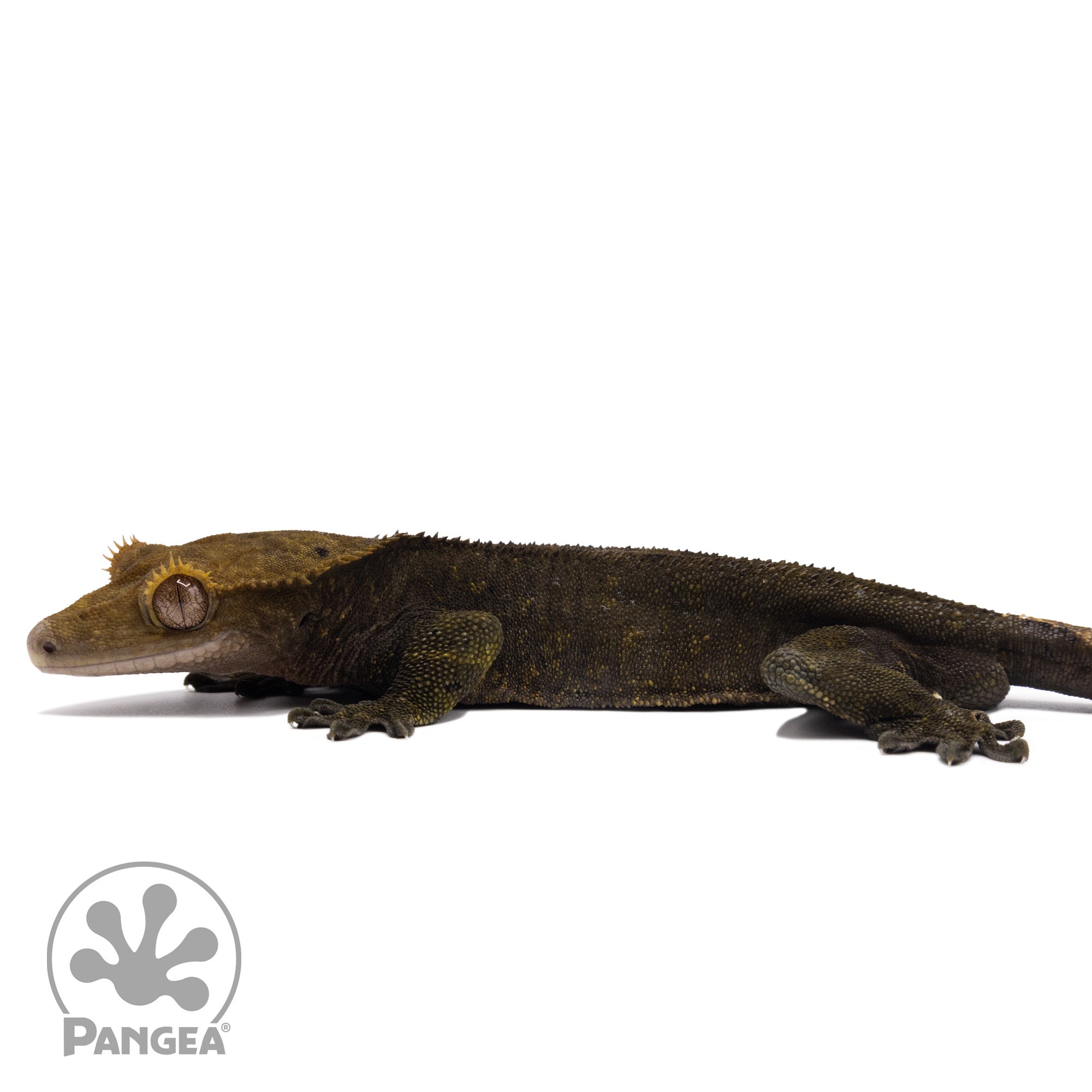
Posted on Leave a comment

Crested Geckos: The Perfect Beginner Pet?

Crested Geckos: The Perfect Beginner Pet?

Crested Geckos: The Perfect Beginner Pet?

You’re standing in a pet store, looking at a $300 bearded dragon setup with a long list of heating and lighting needs, and your budget groans. Then you see a small, 12x12x18 terrarium with a single, wide-eyed crested gecko clinging to a leaf. The keeper tells you it eats a powdered diet you just mix with water. That moment of simplicity is why thousands of reptile enthusiasts started with a crested gecko.

Why Their Care is Surprisingly Simple

Compared to most reptiles, crested geckos have a shockingly low barrier to entry. Their diet is the biggest win. A high-quality complete diet like Pangea or Repashy is a powder you mix with water. No live insect wrangling is strictly necessary, though offering crickets or dubia roaches once a week is great enrichment. Their temperature needs are room-temperature: an ideal range of 72-78°F. You don’t need a basking lamp or a UVB light, though many keepers now provide low-level UVB for long-term health benefits. Humidity is the main parameter to watch—a daily misting to spike it to 80% and letting it drop to 50% is perfect. A simple digital thermometer/hygrometer combo from our accessories section makes this easy.

The Ideal Starter Enclosure Setup

For a single adult crested gecko, a vertical 18x18x24 inch terrarium is the gold standard. It gives them space to climb, which is their entire lifestyle. The key is filling that space correctly. You need more cover than floor. Start with a background of cork bark or foam, add several sturdy branches like Mopani wood, and then clutter it with live or artificial plants. They feel secure when they can move without being seen. Substrate can be as simple as paper towel for beginners, graduating to a bioactive mix or coconut fiber later. A shallow water dish and a magnetic ledge for their food complete the scene. We often recommend the Exo Terra 18x18x24 kit as a fantastic all-in-one starting point available at Geckomorphs.

Handling & Their Unique Personality

Crested geckos are handleable, but with caveats. They are not a “sit on your shoulder for hours” pet. They are jumpers. A calm, 10-15 minute session a few times a week is perfect. Let them walk from hand to hand in a safe, enclosed space. Their personality is more observational than interactive; much of the joy is watching them hunt a cricket or lick their Pangea at night. They are generally docile and rarely bite, and if they do, it’s more of a surprised pinch than anything painful. This makes them excellent for a beginner learning reptile body language. The key is to move slowly and support their entire body and tail. Avoid grabbing the tail, as they can drop it (caudal autotomy) and it won’t grow back.

Common Pitfalls First-Time Owners Face

Even with an “easy” pet, mistakes happen. The number one issue is underestimating humidity. A dry gecko won’t shed properly and can become impacted. An automatic mister like the Monsoon Solo is a game-changer. The second is over-supplementing. If you’re using a complete diet like Pangea Fruit Mix, you don’t need to dust it with extra calcium. Third is tank size—starting a juvenile in a full-size adult tank is fine if it’s heavily cluttered. Fourth is assuming no heat means no thermostat. Any supplemental heat source, like a low-wattage ceramic heat emitter for a cool room, MUST be on a thermostat to prevent cooking your pet. We stock reliable thermostats for this exact purpose.

Long-Term Commitment & Costs

This is the sobering part every beginner needs to hear. A crested gecko can live 15-20 years. You’re getting a long-term companion. The startup cost is relatively low—around $300-$500 for a quality terrarium, supplies, and the gecko itself. But budget for ongoing costs: Pangea diet ($20 every few months), replacement bulbs, substrate, and vet care. Yes, vet care. Find an exotic vet before you need one. An annual check-up is wise. Their hardiness is a pro, but it’s not an excuse for skipping proper care. Plan for their entire lifetime, including who will care for them if you go to college or move. The financial and time commitment is minimal week-to-week, but the years-long responsibility is real.

Do crested geckos need a friend?

Absolutely not. Crested geckos are solitary animals. Housing two together, especially two males, will lead to stress, fighting, and injury. Even female pairs can have dominance issues. One gecko per enclosure is the only safe rule.

What’s the single most important item to buy?

After the enclosure itself, a digital thermometer/hygrometer. Guessing humidity and temperature is the fastest way to have a sick gecko. Knowing your actual numbers is non-negotiable for proper care. We recommend the Zoo Med Digital Combo Gauge as a reliable, affordable starting tool.

My gecko won’t eat the Pangea diet. What do I do?

First, try different flavors. Pangea’s “Fig & Insects” or “Watermelon” are often hits with picky eaters. Make the mix fresh every other day, and offer it in a shallow, easy-to-find dish placed on the side of the tank. Sometimes hand-feeding a tiny bit on your finger can get them to taste it. Consistency is key—they may ignore it for a few days before figuring it out.

So, are they good for beginners? Unequivocally yes. Their simple diet, forgiving temperature range, and generally calm demeanor make them the ideal first step into reptile keeping. The learning curve is gentle, but it still requires dedication to details like humidity and long-term planning. If you’re ready for a fascinating, low-maintenance pet that you’ll enjoy for decades, you’ve found your match.

Browse our crested geckos collection

Last updated: April 13, 2026

nn