Crested Gecko Care & Review
I remember the first time I saw a crested gecko at a reptile show; its eyelashes, prehensile tail, and curious expression were unlike any other reptile. Over a decade later, after raising dozens from hatchlings, I can confirm they are one of the best pet lizards you can own. This review covers everything I’ve learned from hands-on experience about their care, temperament, and why they’ve earned their popularity.
Temperament & Handling: The Ideal Pet Lizard?
Crested geckos are famously docile. Most individuals, especially those bred in captivity like the ones we source at Geckomorphs, are calm and tolerate gentle handling well. They’re not “cuddly,” but they will calmly walk from hand to hand. Hatchlings can be jumpy—it’s a survival instinct—but they almost always calm down with age and consistent, brief handling sessions. I recommend handling them 2-3 times a week for 10-15 minutes, always over a soft surface. Their feet have tiny setae that allow them to climb glass and skin, which is a unique sensation. Avoid grabbing them by the tail, as they can drop it (caudal autotomy). Unlike some geckos, it won’t grow back, but they live perfectly healthy lives as “frogbutts.”
Housing & Setup: Getting the Enclosure Right
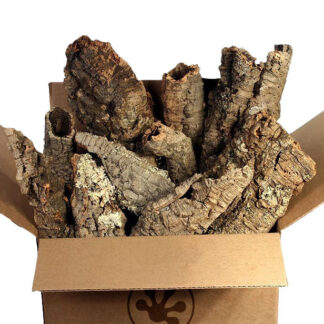
For a single adult, a vertically oriented 18″x18″x24″ enclosure is the gold standard. Hatchlings can start in a 12″x12″x18″ but will need an upgrade within a year. Screen tops are essential for ventilation to prevent respiratory issues. The interior is more important than the tank itself. You need a bioactive-ready substrate like our Geckomorphs Jungle Mix, plenty of vertical climbing branches, and a dense layout of foliage (live or artificial) to make them feel secure. I use a combination of cork rounds, magnetic ledges, and dangling vines. They are arboreal and will spend 90% of their time off the ground. A simple, low-wattage LED plant light on a 12-hour timer works for the day/night cycle; they do not require intense heat or UVB if their diet is supplemented properly, though low-level UVB is a beneficial practice.

Diet & Feeding: Simpler Than You Think
This is where crested geckos truly shine. Their primary diet is a complete, powdered meal replacement diet (MRP) like Repashy Crested Gecko Diet or Pangea Fruit Mix. You mix it with water to a ketchup-like consistency and offer it every other day in a shallow dish placed on a ledge. I prefer the Pangea formulas with insects for growing geckos. Offer small, gut-loaded insects like crickets or dubia roaches once a week as a treat for adults, and twice a week for juveniles. Dust insects with a calcium supplement. Fresh water in a shallow dish should always be available, and they’ll also drink water droplets from nightly misting. At Geckomorphs, we send home a care package with a sample of our preferred MRP to get new owners started right.
Common Health & Shedding Issues
With proper care, crested geckos are remarkably hardy. The most common issues stem from environment: low humidity leading to stuck shed, and incorrect temperatures. Maintain a humidity spike of 80% at night (via misting) letting it drop to 50% during the day. Stuck shed, especially on the toes, is a red flag; increase humidity and provide a rough surface like cork bark. They thrive at room temperature, between 72-78°F. Sustained temperatures above 82°F can cause fatal heat stress. Metabolic Bone Disease (MBD) is preventable by using a complete MRP diet. Floppy tail syndrome, where they rest upside-down, can be mitigated by providing ample horizontal perches. A yearly check-up with a reptile vet is a good practice.
Are crested geckos good for beginners?
Absolutely. They are one of the top three recommended beginner reptiles, alongside leopard geckos and corn snakes. Their simple dietary needs, manageable size, and general hardiness make them an excellent first pet lizard. The initial setup cost is the biggest investment.
Do crested geckos need a heat lamp?
Usually, no. If your home is consistently between 70-78°F, supplemental heat is unnecessary and can be dangerous. If your room drops below 65°F, a low-wattage ceramic heat emitter or deep heat projector on a thermostat, placed on the screen top, can be used to raise the ambient temperature a few degrees.
How long do crested geckos live?
With proper care, a crested gecko can live 15-20 years in captivity. This is a long-term commitment. We’ve had customers whose geckomorphs are still thriving well into their late teens on the same basic care regimen outlined here.
Browse our crested geckos collection
Last updated: April 13, 2026
nn