Crested Geckos: Low Maintenance Pets?
You’re considering a pet reptile and keep hearing that crested geckos are “easy.” But what does that actually mean for your daily life? The truth is, while they are one of the most manageable reptiles you can own, “low maintenance” doesn’t mean “no maintenance.” It means their core needs are simple, predictable, and don’t require constant, hands-on attention like a dog or cat. Let’s break down exactly what you’re signing up for.
The Feeding Routine: Simplicity Itself
This is where crested geckos truly shine. Forget live insects every day. The backbone of their diet is a powdered meal replacement formula, like Repashy or Pangea Crested Gecko Diet. You mix it with water to a ketchup-like consistency, offer it in a small dish like a bottle cap or a Zoo Med Food Cup, and replace it every other day. That’s it for adults. For a more complete diet, you can offer gut-loaded crickets or dubia roaches dusted with calcium powder once or twice a week, but the prepared diet alone is nutritionally complete. I always keep a few flavors on hand from Geckomorphs to keep my geckos interested. Compared to a snake that needs thawed rodents weekly or a bearded dragon requiring daily salads and insects, this routine is incredibly straightforward.
Housing & Environment: Set It and (Mostly) Forget It
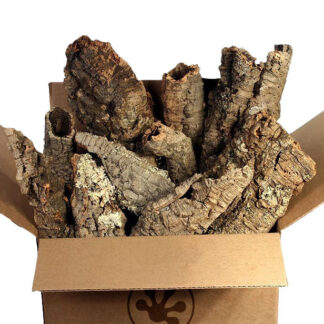
Crested geckos don’t need massive enclosures. A single adult thrives in an 18x18x24 inch tall terrarium, which gives them space to climb. The key is verticality. You’ll spend your initial effort setting up the right environment: a substrate like coconut fiber, plenty of branches and vines for climbing, and artificial or live plants for cover. Once established, the daily upkeep is minimal. Spot clean any waste you see, and mist the enclosure heavily in the evening to boost humidity for shedding and drinking. A full substrate change is only needed every 3-4 months. Unlike desert species that require intense, precise heat lamps, crested geckos do well at standard household temperatures between 72-78°F, eliminating the need for (and cost of) a dedicated heat source in most homes.

Handling & Temperament: Low-Interaction Pets
If you want a pet to cuddle on the couch, a crested gecko isn’t it. They are observational pets. They tolerate gentle, infrequent handling—maybe 10-15 minutes a few times a week—but they don’t seek it out. Stress from overhandling can cause them to drop their tail (which won’t grow back). Their low-interaction nature is a plus for busy people or those who simply enjoy watching natural behaviors. You’ll get enjoyment from seeing them hunt a cricket, lick their diet mix, or peacefully sleep in a favorite plant. This hands-off approach means you don’t need to schedule daily playtime or training sessions.
The “Hidden” Maintenance: What You Can’t Skip
To call them low maintenance, we have to acknowledge the non-negotiable tasks. Daily misting is essential for humidity and hydration. You must check on them daily to ensure they are active and have food. Every other day, you’re swapping out their food dish. Weekly, you should wipe down the glass and check that all equipment (like lights for any live plants) is working. Monthly, deep clean the décor. And you must be prepared for potential vet visits, which for an exotic pet can be costly. The maintenance is rhythmic and light, but it is consistent. Forgetting to mist for a week in a dry climate can lead to a serious shedding problem.

Who Are They Perfect For?
Crested geckos are ideal for beginners, busy professionals, apartment dwellers, and older children (with supervision). Their quiet, clean, and space-efficient nature makes them fantastic for small living spaces. They’re also perfect for someone who wants the responsibility of a living animal without the 24/7 demand of a mammal. However, they are not “zero-maintenance” or good for very young children who might want to constantly hold them. If you can commit to a 10-minute daily check-in and a simple feeding schedule, you’ll find them to be one of the most rewarding and undemanding pets in the reptile hobby. For all the supplies to set up your low-maintenance habitat, from diets to decor, Geckomorphs has you covered.
Frequently Asked Questions
Can crested geckos make noise?
Yes, but it’s very subtle. They are not vocal pets. The most common sound is a soft chirping or barking, usually heard during breeding interactions or if they are startled. You might also hear them “clicking” their tongue while eating. For the most part, they are completely silent, which is another plus for apartment living.
How long do crested geckos live?
With proper care, a crested gecko can live 15 to 20 years in captivity. This is a significant long-term commitment, so be prepared for a pet that could be with you through many life stages. Their longevity is a testament to how resilient and low-stress they are when kept correctly.
Do crested geckos need a heat lamp?
Usually not. They thrive at room temperatures between 72-78°F (22-26°C). If your home regularly drops below 65°F at night, a low-wattage heat source like a ceramic heat emitter on a thermostat may be needed. However, overheating is a greater danger than being slightly cool, so always avoid basking lights meant for desert species.
Can you keep multiple crested geckos together?
It’s generally not recommended, especially for beginners. Males will fight fiercely. Even female pairs can sometimes show aggression or stress each other out, requiring very large enclosures with multiple feeding stations. Housing them singly is the safest, lowest-stress, and most low-maintenance approach.
Browse our crested geckos collection
Last updated: April 13, 2026
nn