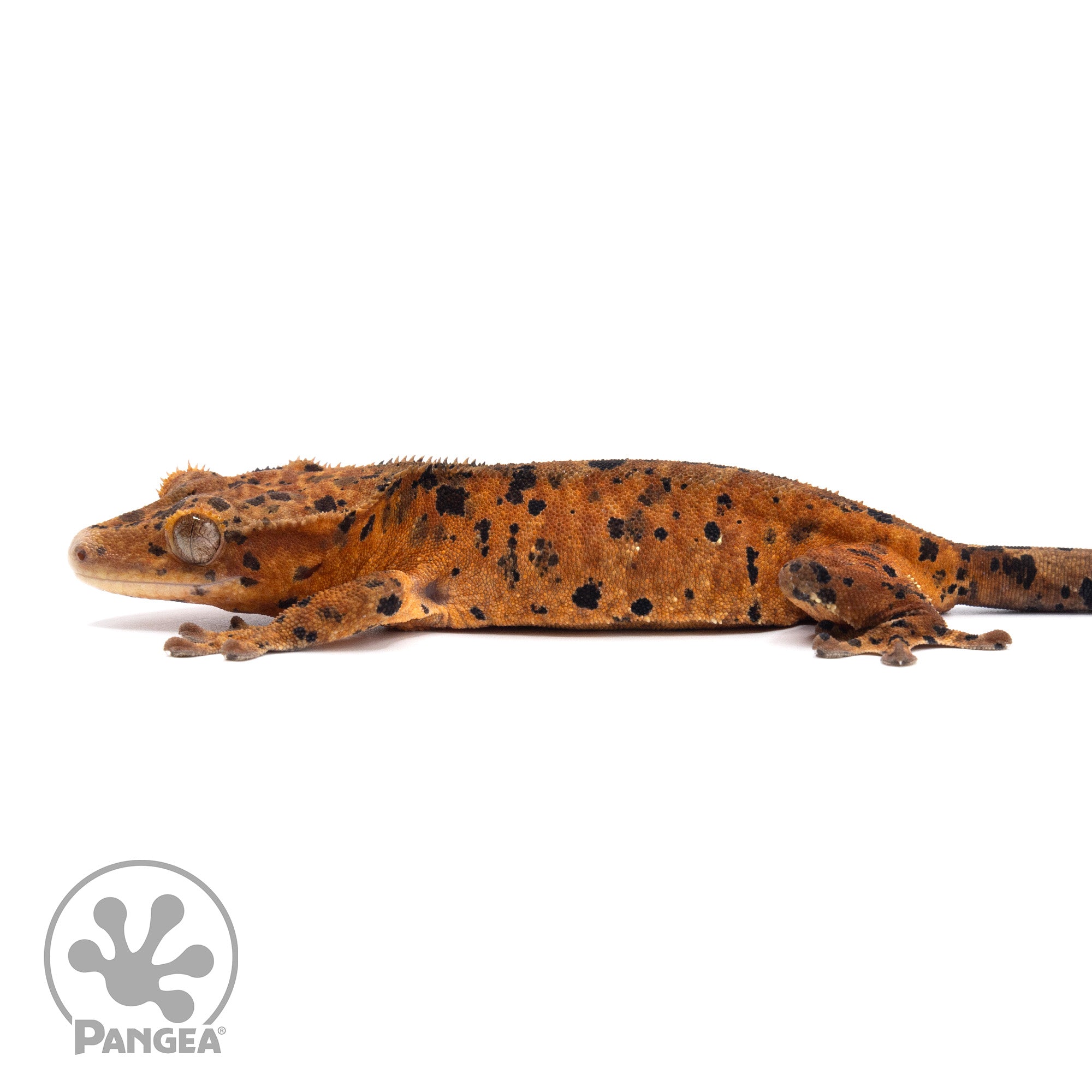
Crested Geckos: The Perfect Beginner Pet?
You’re standing in a pet store, looking at a $300 bearded dragon setup with a long list of heating and lighting needs, and your budget groans. Then you see a small, 12x12x18 terrarium with a single, wide-eyed crested gecko clinging to a leaf. The keeper tells you it eats a powdered diet you just mix with water. That moment of simplicity is why thousands of reptile enthusiasts started with a crested gecko.
Why Their Care is Surprisingly Simple
Compared to most reptiles, crested geckos have a shockingly low barrier to entry. Their diet is the biggest win. A high-quality complete diet like Pangea or Repashy is a powder you mix with water. No live insect wrangling is strictly necessary, though offering crickets or dubia roaches once a week is great enrichment. Their temperature needs are room-temperature: an ideal range of 72-78°F. You don’t need a basking lamp or a UVB light, though many keepers now provide low-level UVB for long-term health benefits. Humidity is the main parameter to watch—a daily misting to spike it to 80% and letting it drop to 50% is perfect. A simple digital thermometer/hygrometer combo from our accessories section makes this easy.
The Ideal Starter Enclosure Setup
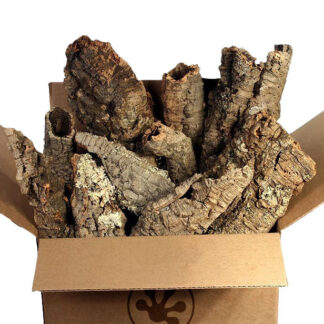
For a single adult crested gecko, a vertical 18x18x24 inch terrarium is the gold standard. It gives them space to climb, which is their entire lifestyle. The key is filling that space correctly. You need more cover than floor. Start with a background of cork bark or foam, add several sturdy branches like Mopani wood, and then clutter it with live or artificial plants. They feel secure when they can move without being seen. Substrate can be as simple as paper towel for beginners, graduating to a bioactive mix or coconut fiber later. A shallow water dish and a magnetic ledge for their food complete the scene. We often recommend the Exo Terra 18x18x24 kit as a fantastic all-in-one starting point available at Geckomorphs.
Handling & Their Unique Personality
Crested geckos are handleable, but with caveats. They are not a “sit on your shoulder for hours” pet. They are jumpers. A calm, 10-15 minute session a few times a week is perfect. Let them walk from hand to hand in a safe, enclosed space. Their personality is more observational than interactive; much of the joy is watching them hunt a cricket or lick their Pangea at night. They are generally docile and rarely bite, and if they do, it’s more of a surprised pinch than anything painful. This makes them excellent for a beginner learning reptile body language. The key is to move slowly and support their entire body and tail. Avoid grabbing the tail, as they can drop it (caudal autotomy) and it won’t grow back.
Common Pitfalls First-Time Owners Face
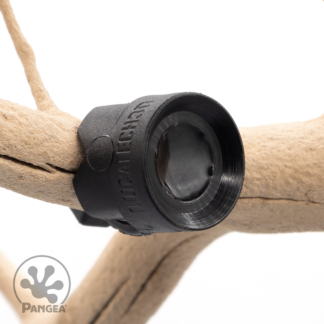
Even with an “easy” pet, mistakes happen. The number one issue is underestimating humidity. A dry gecko won’t shed properly and can become impacted. An automatic mister like the Monsoon Solo is a game-changer. The second is over-supplementing. If you’re using a complete diet like Pangea Fruit Mix, you don’t need to dust it with extra calcium. Third is tank size—starting a juvenile in a full-size adult tank is fine if it’s heavily cluttered. Fourth is assuming no heat means no thermostat. Any supplemental heat source, like a low-wattage ceramic heat emitter for a cool room, MUST be on a thermostat to prevent cooking your pet. We stock reliable thermostats for this exact purpose.
Long-Term Commitment & Costs
This is the sobering part every beginner needs to hear. A crested gecko can live 15-20 years. You’re getting a long-term companion. The startup cost is relatively low—around $300-$500 for a quality terrarium, supplies, and the gecko itself. But budget for ongoing costs: Pangea diet ($20 every few months), replacement bulbs, substrate, and vet care. Yes, vet care. Find an exotic vet before you need one. An annual check-up is wise. Their hardiness is a pro, but it’s not an excuse for skipping proper care. Plan for their entire lifetime, including who will care for them if you go to college or move. The financial and time commitment is minimal week-to-week, but the years-long responsibility is real.
Do crested geckos need a friend?
Absolutely not. Crested geckos are solitary animals. Housing two together, especially two males, will lead to stress, fighting, and injury. Even female pairs can have dominance issues. One gecko per enclosure is the only safe rule.
What’s the single most important item to buy?
After the enclosure itself, a digital thermometer/hygrometer. Guessing humidity and temperature is the fastest way to have a sick gecko. Knowing your actual numbers is non-negotiable for proper care. We recommend the Zoo Med Digital Combo Gauge as a reliable, affordable starting tool.
My gecko won’t eat the Pangea diet. What do I do?
First, try different flavors. Pangea’s “Fig & Insects” or “Watermelon” are often hits with picky eaters. Make the mix fresh every other day, and offer it in a shallow, easy-to-find dish placed on the side of the tank. Sometimes hand-feeding a tiny bit on your finger can get them to taste it. Consistency is key—they may ignore it for a few days before figuring it out.
So, are they good for beginners? Unequivocally yes. Their simple diet, forgiving temperature range, and generally calm demeanor make them the ideal first step into reptile keeping. The learning curve is gentle, but it still requires dedication to details like humidity and long-term planning. If you’re ready for a fascinating, low-maintenance pet that you’ll enjoy for decades, you’ve found your match.
Browse our crested geckos collection
Last updated: April 13, 2026
nn