Crested Geckos: The Easy Pet Lizard?
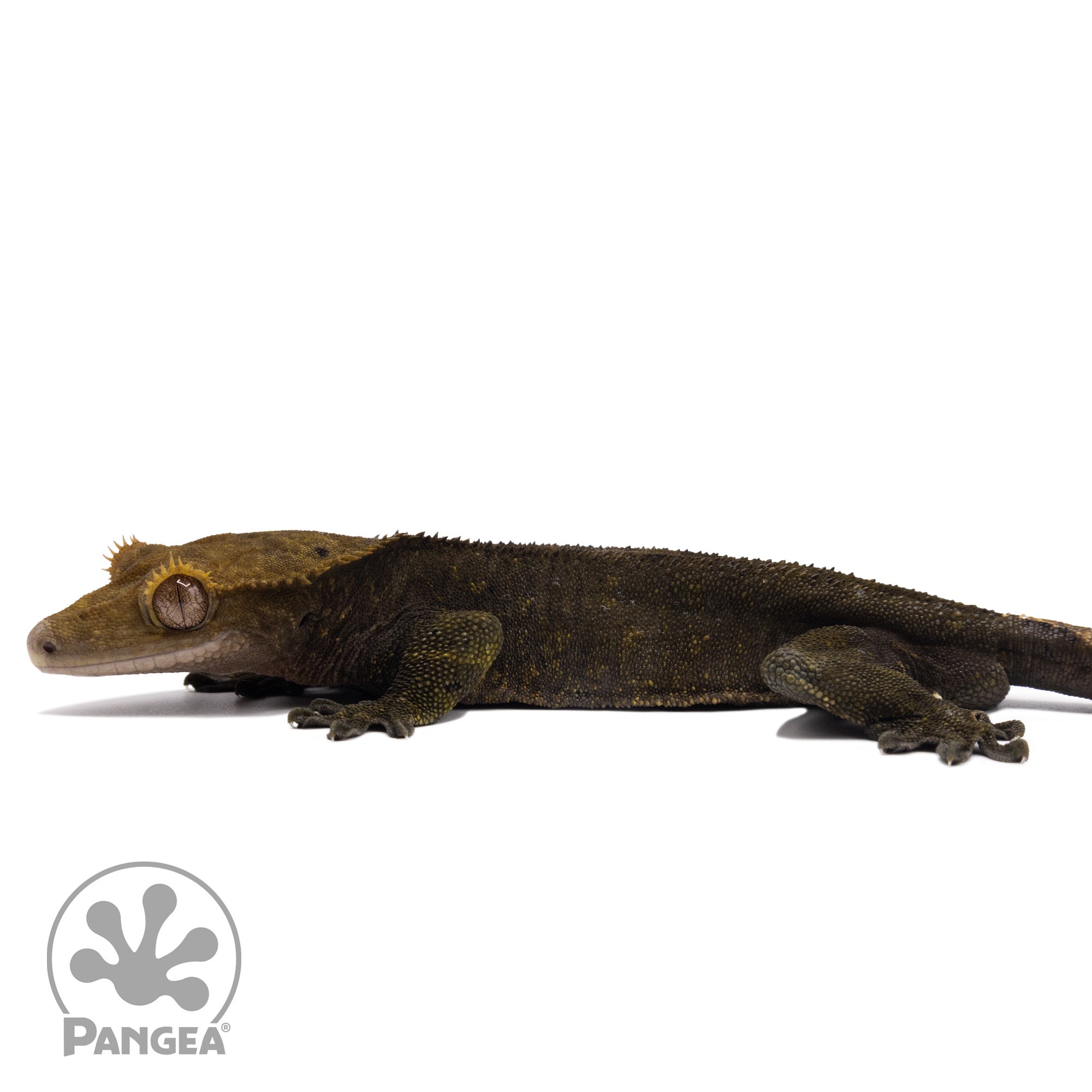
You’re considering a pet lizard, but the thought of live insects, complex lighting, and high humidity has you hesitating. Then you hear about the crested gecko. I’ve kept and bred them for over a decade, and I can tell you their reputation for being beginner-friendly is largely true, but “easy” depends on your definition. Let’s break down exactly what their care entails.
Housing: Simple Setup, Big Impact
A single adult crested gecko needs a vertically-oriented enclosure at least 18x18x24 inches. Screen-top glass terrariums, like the popular Exo Terra 18x18x24, are perfect. The key is filling that vertical space. You don’t need expensive live plants to start; a simple setup with a feeding ledge, a couple of sturdy branches like those from Fluker’s, and plenty of foliage (fake or real) for hiding is sufficient. Substrate can be as easy as paper towel for juveniles or a bioactive mix like Josh’s Frogs ABG for adults. At Geckomorphs, we always recommend starting with a proper vertical tank—it’s the single most important purchase for their wellbeing.
Diet: The Powdered Food Revolution
This is where crested geckos truly shine in the “easy” category. While they can eat insects, their complete diet can be a prepared powdered food mixed with water. Brands like Repashy Crested Gecko Diet and Pangea Fruit Mix Complete are nutritionally complete. You simply mix a teaspoon of powder with water to a ketchup-like consistency, offer it in a small cup (like a Pangea Reptile Feeder) every other day, and replace it after 48 hours. It eliminates the hassle of gut-loading crickets or maintaining roach colonies. I personally rotate between Pangea’s “With Insects” formula and Repashy’s “Classic” to give my geckos variety.
Temperature & Humidity: No Heat Lamp Needed
Unlike many reptiles, crested geckos thrive at room temperature. Their ideal range is 72-78°F during the day, with a slight drop at night. They become stressed if temperatures consistently exceed 80°F. You rarely need a dedicated heat source unless your home is very cold; if you do, a low-wattage ceramic heat emitter on a thermostat is safer than a heat lamp. Humidity is more critical. You need to create a cycle: mist the enclosure heavily in the evening to spike humidity to 80%, letting it fall to 50% by morning. A simple hand mister works, but an automatic mister like the MistKing Starter system can automate this perfectly. This daily misting also provides their drinking water.
Handling & Temperament: Patience is Key
Crested geckos are generally docile, but they are not naturally cuddly pets. They are observational animals. Handling should be limited, calm, and close to the ground to prevent falls—they can and will jump. A skittish juvenile often mellows into a calm adult with short, regular handling sessions. Never grab them by the tail; it can detach (they don’t regrow it like other geckos). The ease here is their generally calm nature, but you must adjust your expectations. They’re pets you watch in a beautiful, naturalistic enclosure more than you hold for hours. For building trust, offering food from a spoon like the Zoo Med Repti Spoon can be a great start.
The Real Cost of “Easy”
Labeling them “easy” can undersell the commitment. The initial setup for a proper 18x18x24 tank, decor, thermostat, and mister can cost $300-$500. While their ongoing food costs are low ($20 for a bag of powder that lasts months), you are committing to a pet that can live 15-20 years. You must be diligent about daily misting and weekly cleaning. They also require annual vet check-ups with an exotic specialist. The “easy” part is the lack of complex heating and live feeding; the “responsibility” part is the long lifespan and need for consistent, simple care. It’s a perfect fit for a diligent beginner or anyone who wants a beautiful, low-maintenance display animal.
Frequently Asked Questions
Do crested geckos shed often?
Yes, juvenile crested geckos shed every 1-2 weeks as they grow rapidly. Adults shed less frequently, typically every 4-8 weeks. They eat their shed skin for the nutrients, so you often won’t see any evidence. Ensure humidity is adequate during sheds to prevent stuck skin, especially on their toes.
What did crested geckos evolve from?
Crested geckos (Correlophus ciliatus) are part of the Diplodactylidae family. They evolved from other New Caledonian geckos, like the gargoyle gecko (Rhacodactylus auriculatus), sharing a common ancestor. They were thought extinct until rediscovered in 1994 after a tropical storm.
What sound do crested geckos make?
Crested geckos can make soft chirping or barking sounds, usually when interacting with another gecko or if they are startled. They are not particularly vocal pets. You’re more likely to hear them moving around or scratching on glass at night than to hear consistent vocalizations.
Ready to start your crested gecko journey with the right gear? Browse our crested geckos collection for recommended enclosures, trusted diets, and essential care products.
Last updated: April 13, 2026
nn